





Creating a productive workspace at home is importem for anyone navigating the world of remote work. Establishing a well-organised home office setup not only enhances productivity but also fosters a conducive working environment. In this guide, we will explore valuable tips for cultivating a minimalist workspace, focusing on clean desk setups, ergonomic solutions, and natural elements to foster productivity.
1. Why Choose a Minimalist Workspace?
A minimalist workspace is about more than aesthetics. By reducing clutter and keeping only the essentials within reach, you can minimize distractions and create a place that supports concentration.
A organized desk makes it easier to stay focused, manage tasks efficiently, and maintain a sense of calm throughout the day. A clean, uncluttered setup is also easier to keep tidy, helping your workspace remain functional over time.
Whether you're working full-time from home or only a few days a week, a minimalist desk setup can make your daily routine feel more organised and enjoyable.
2. Start with a Clean Desk
Every productive workspace begins with a clean surface. Remove anything you don't use regularly and keep only your everyday essentials within easy reach.
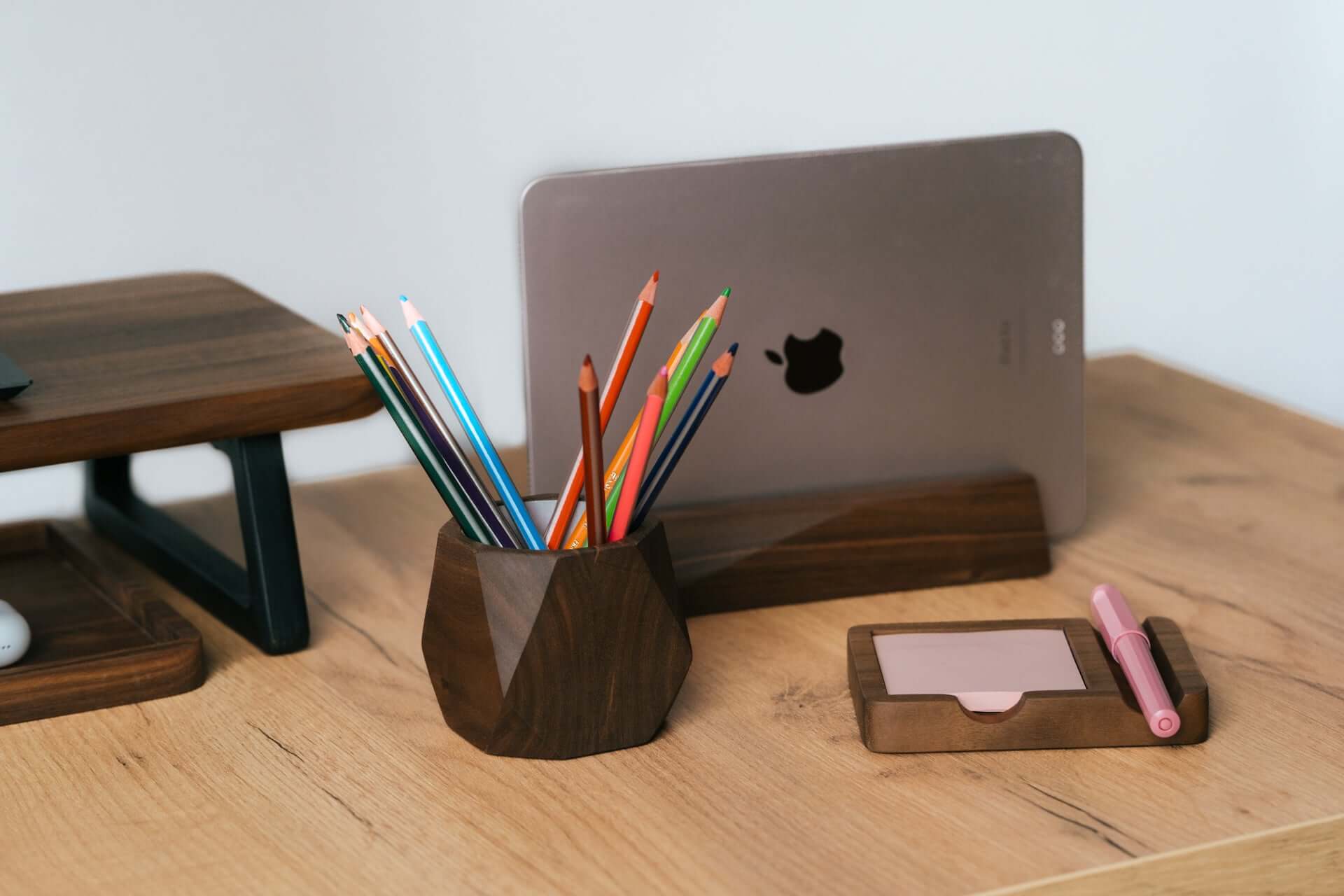
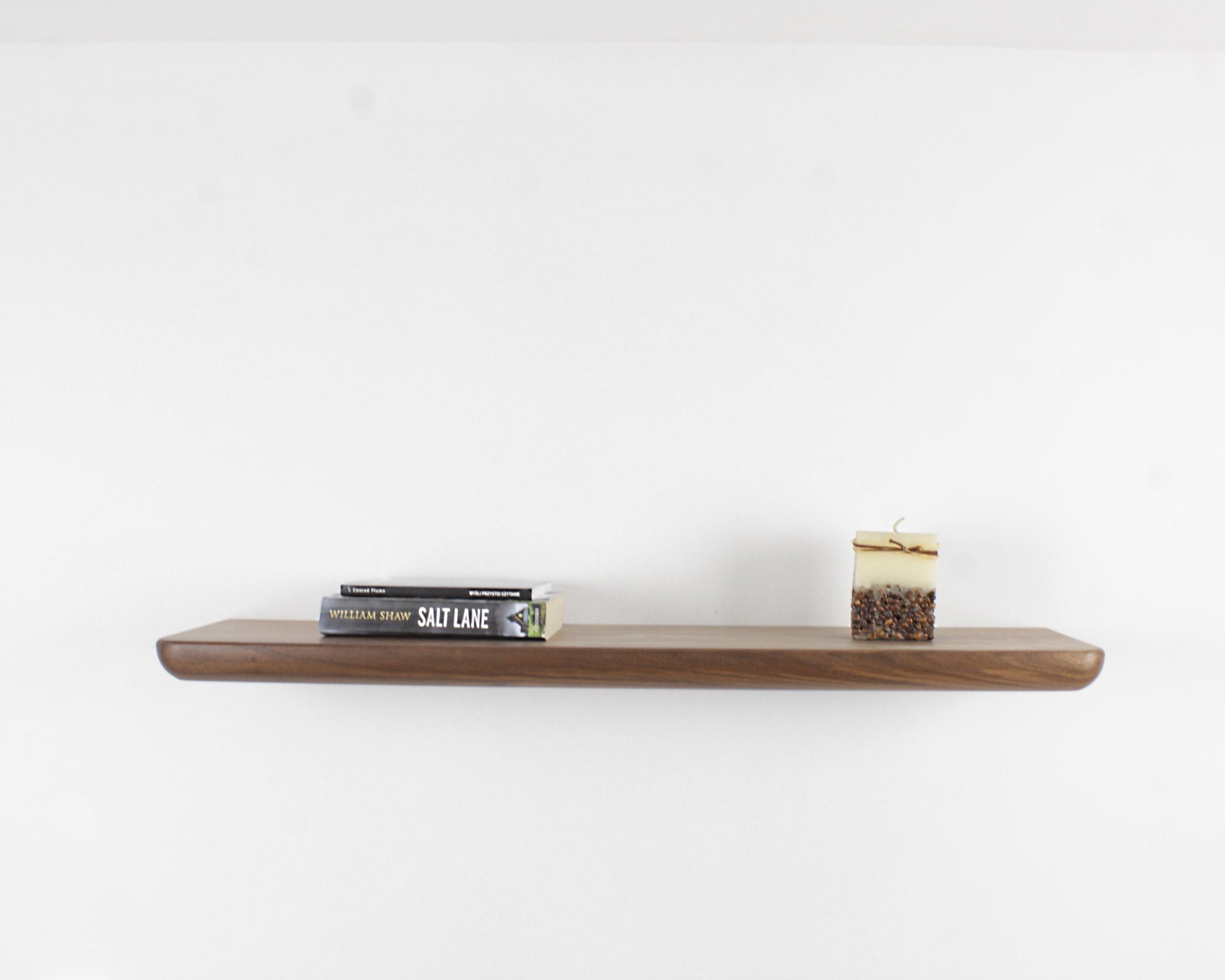
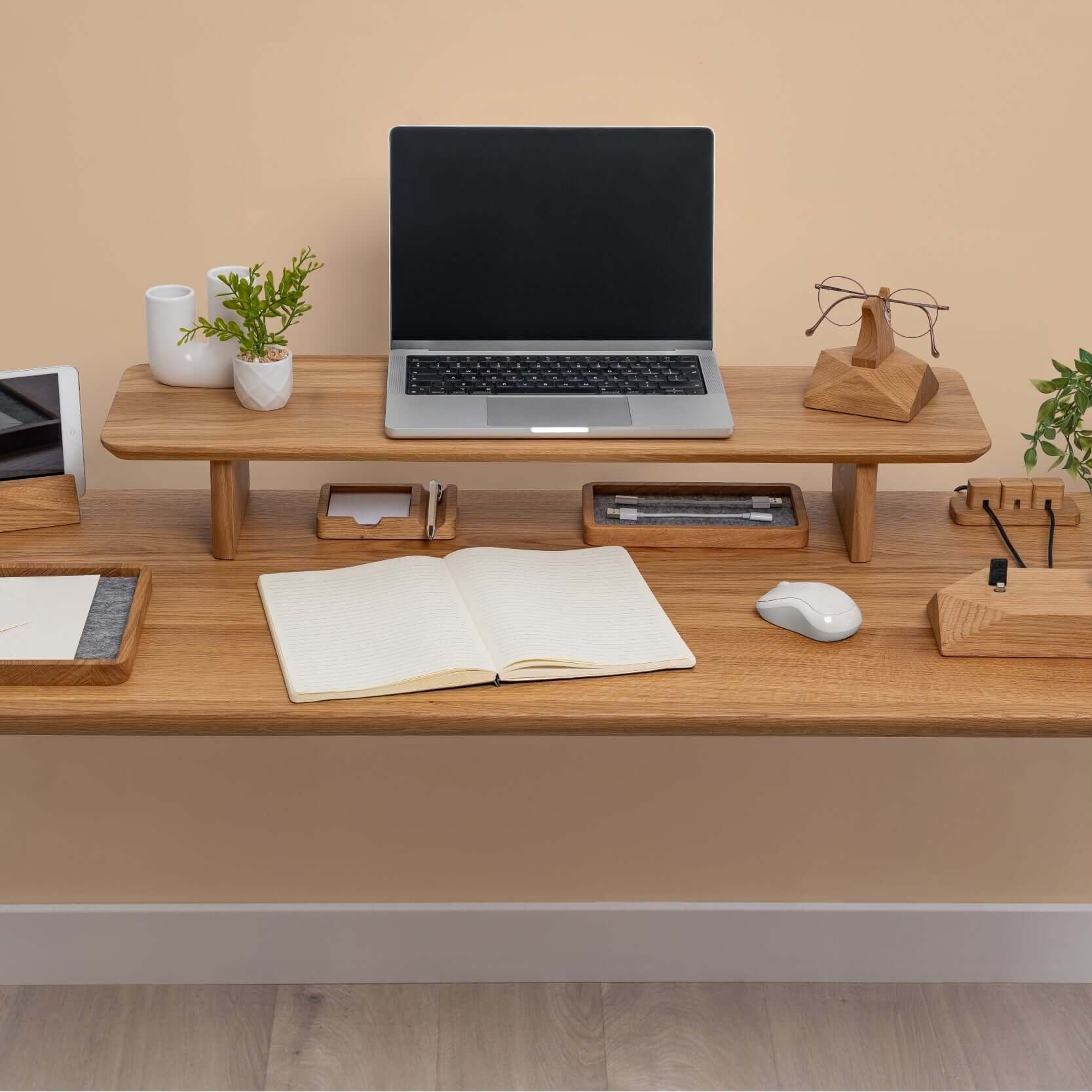
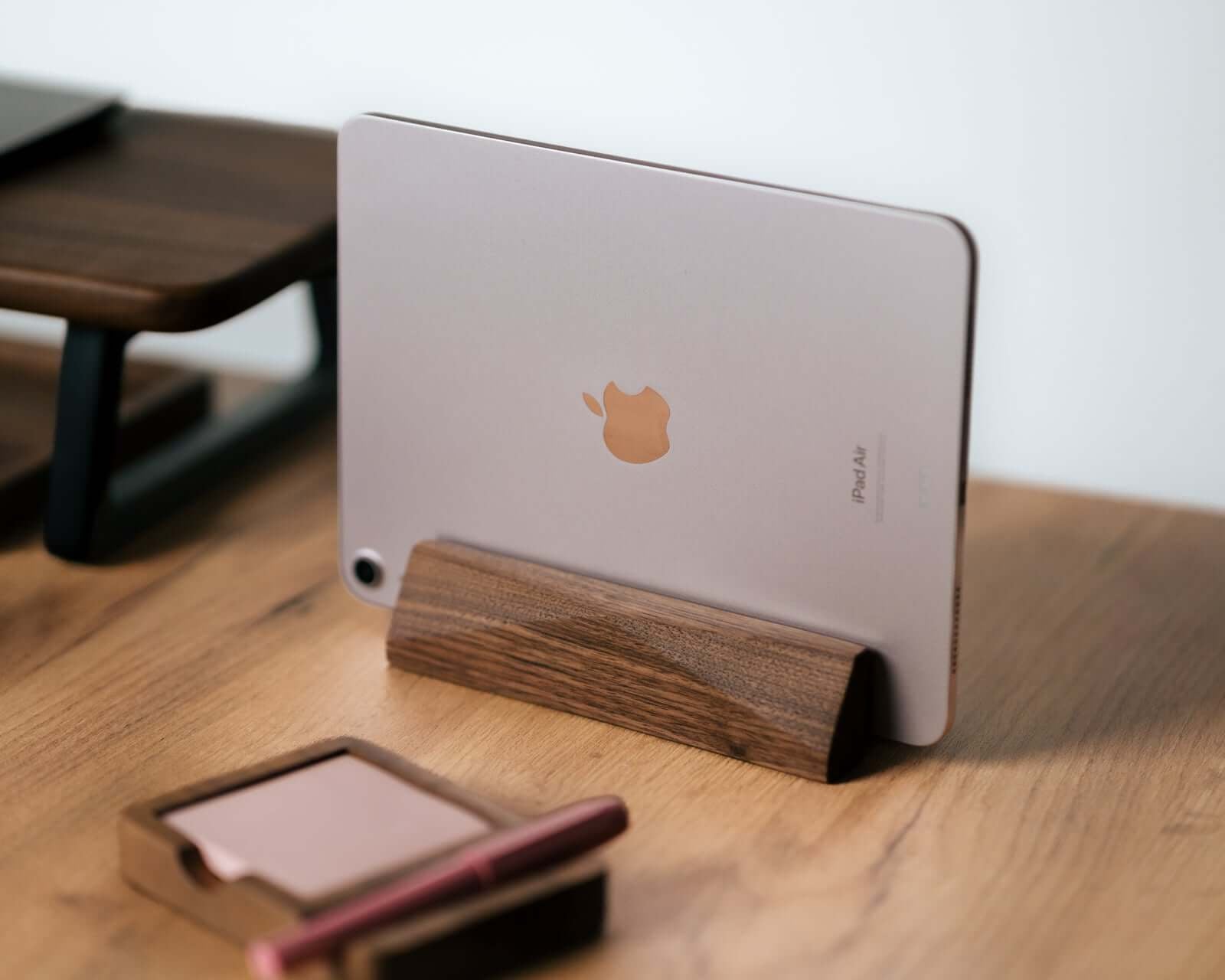
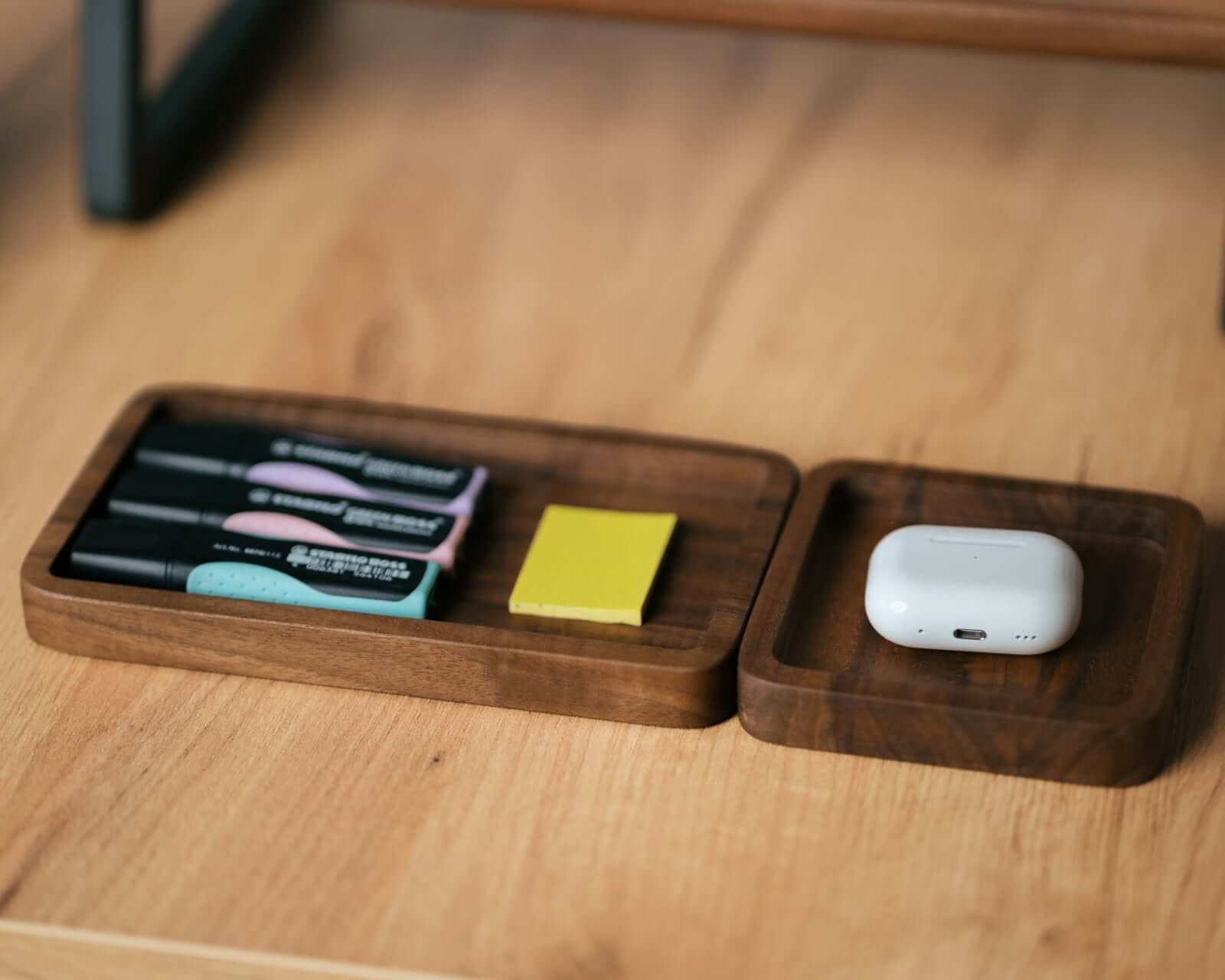
Storage accessories such as trays, drawer organiser or desk shelves can help keep cables, stationery, and small items neatly arranged. A tidy desk doesn't just look better, it also makes it easier to focus on the task at hand.
For added comfort and organisation, explore our collection
3. Choose the Right Desk
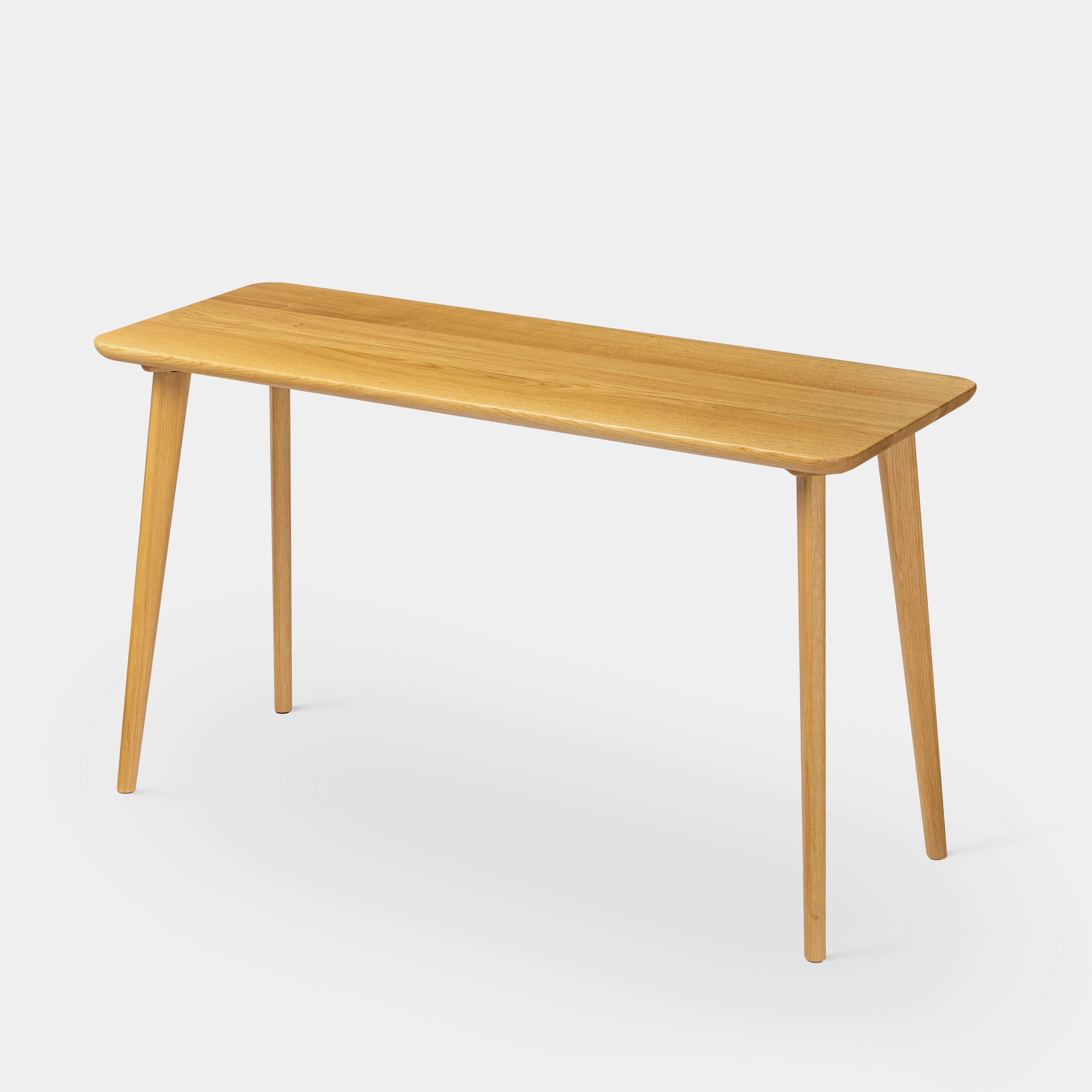
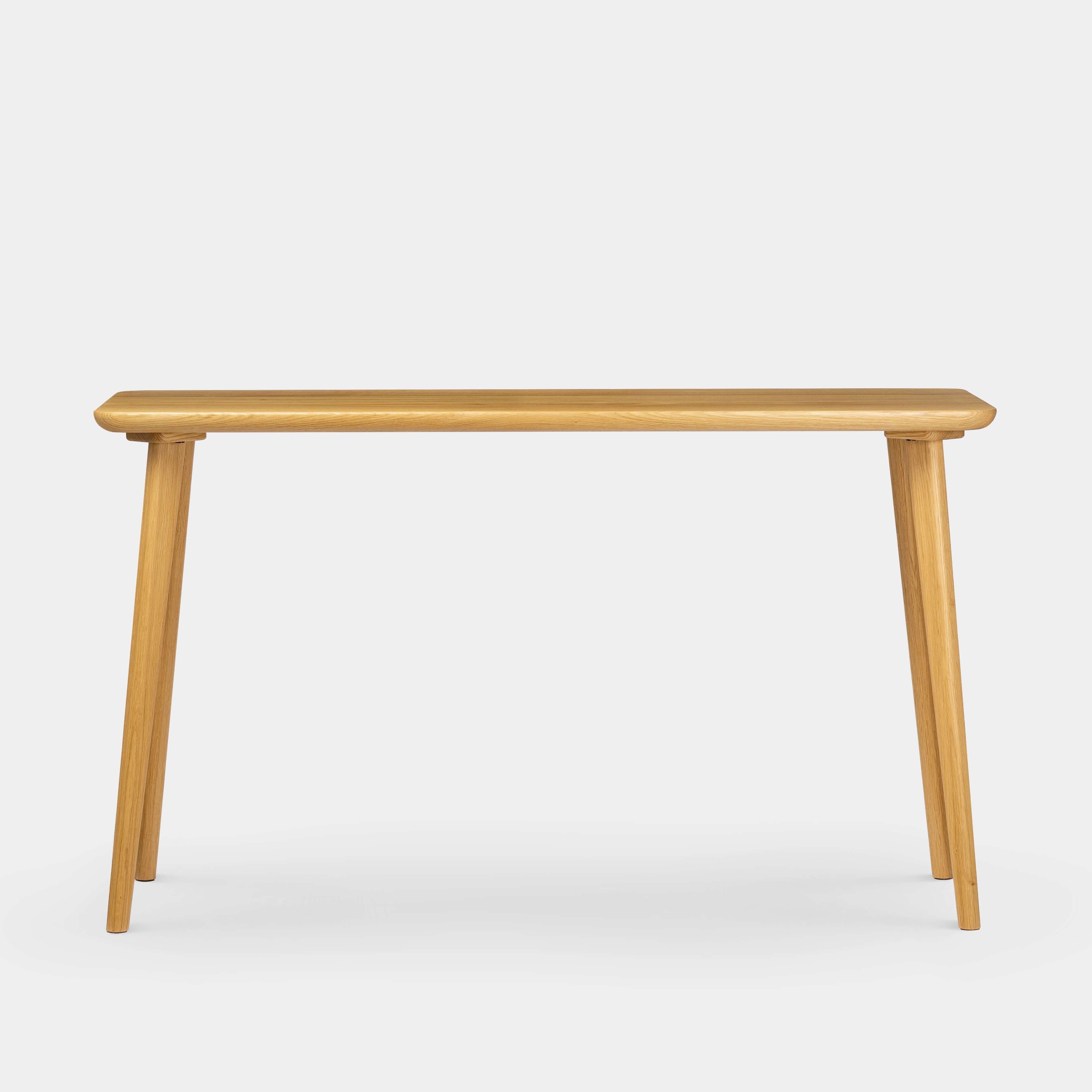
The desk is the center of every home office, so choosing the right one is essential. Consider the size of your room, the equipment you use daily, and how much workspace you need.
A compact desk may be ideal for smaller spaces, while a larger workstation offers more flexibility if you work with multiple monitors or accessories. Whichever option you choose, make sure there's enough room to move comfortably without the space feeling overcrowded.
Browse our range of desks designed for modern home offices.
4. Focus on Ergonomics

Comfort plays a major role in long-term productivity. An ergonomic workspace helps reduce fatigue, supports better posture, and lowers the risk of strain during extended hours at your desk.
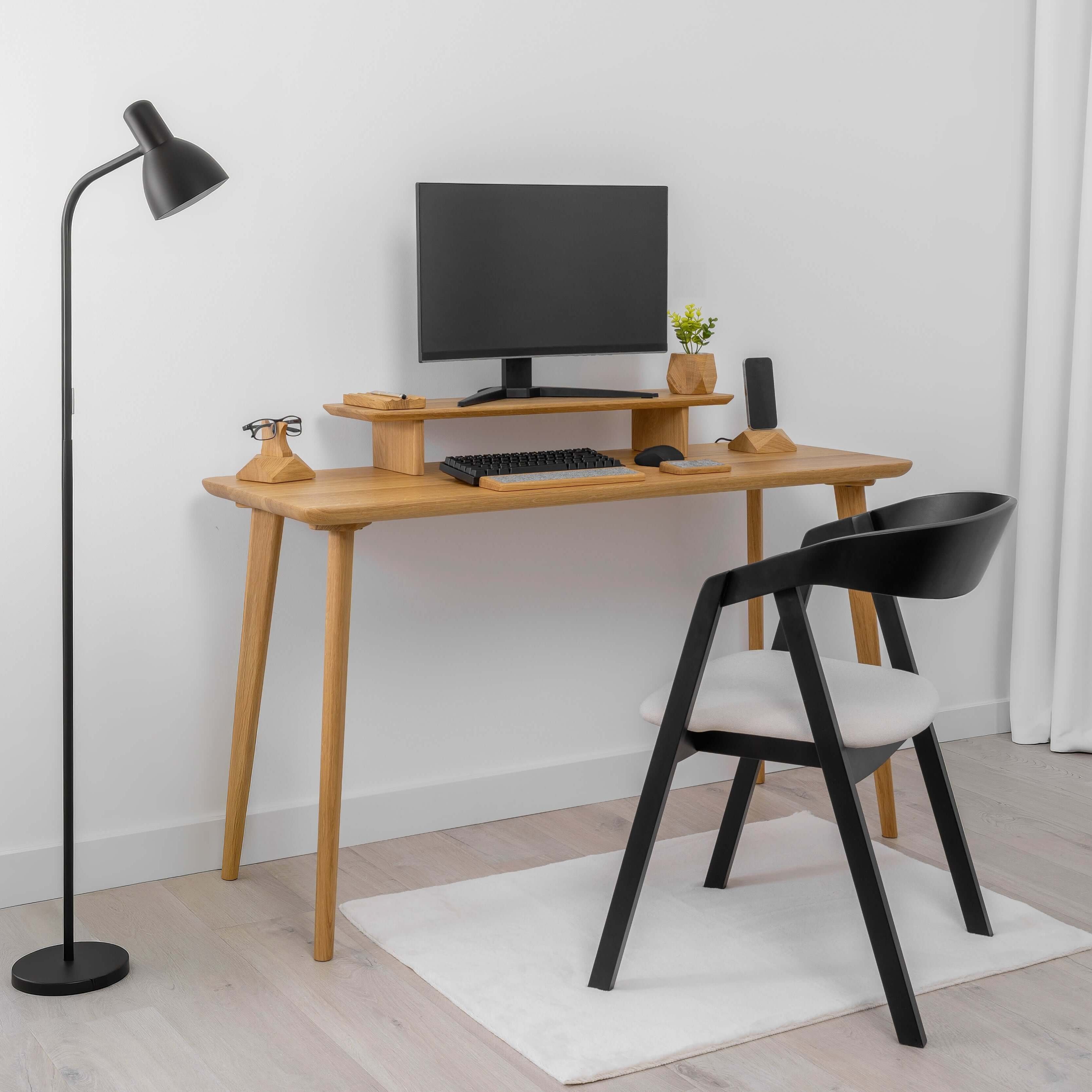
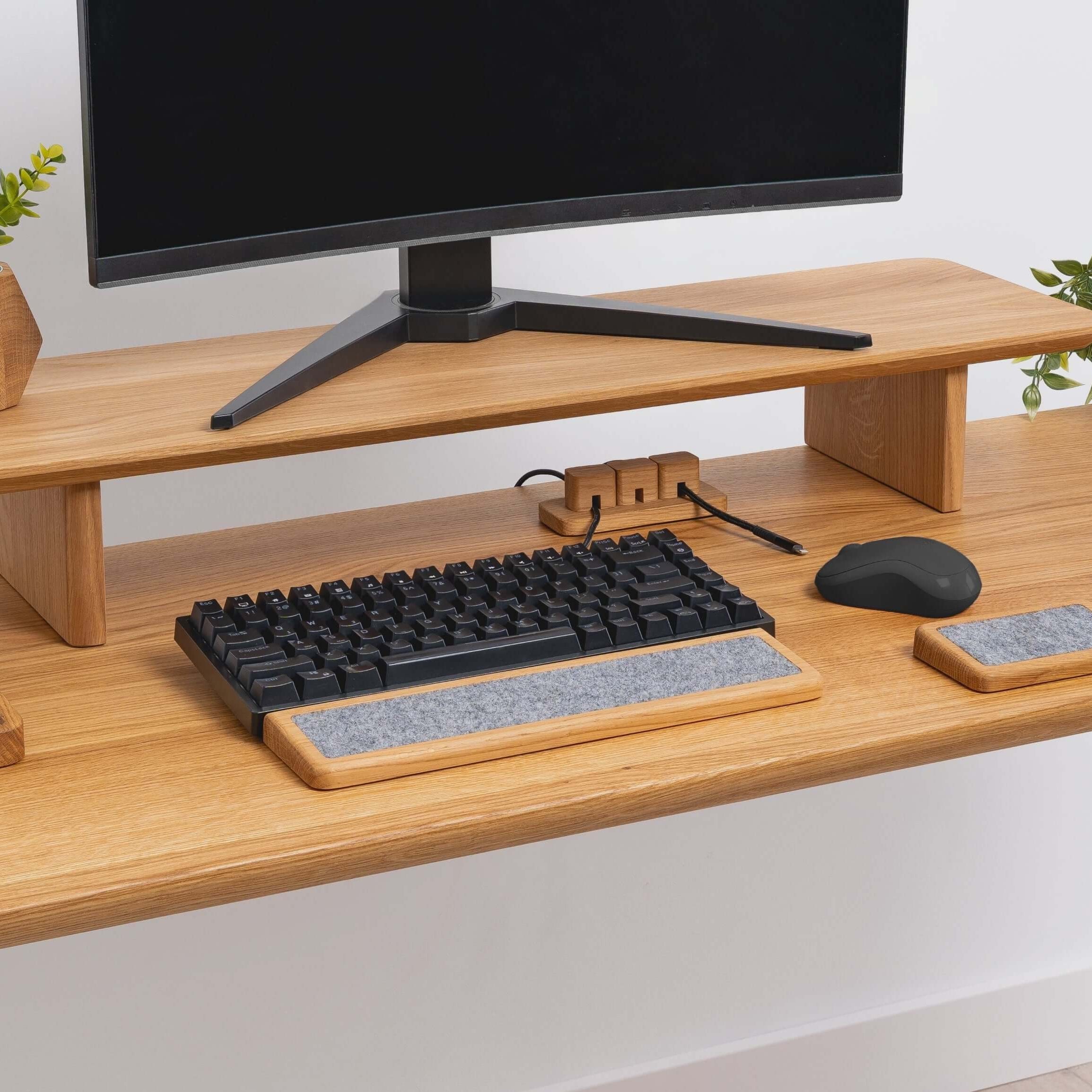
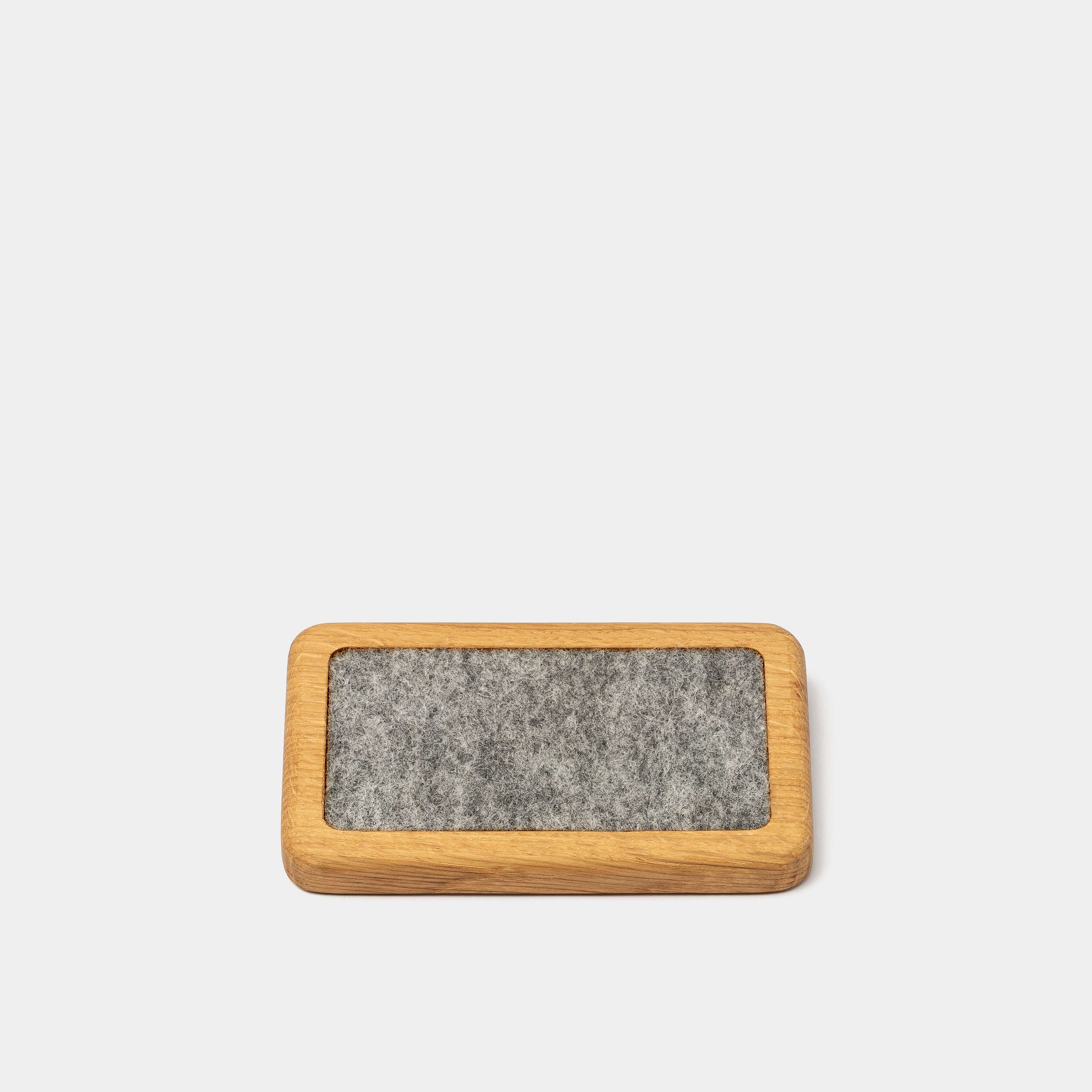
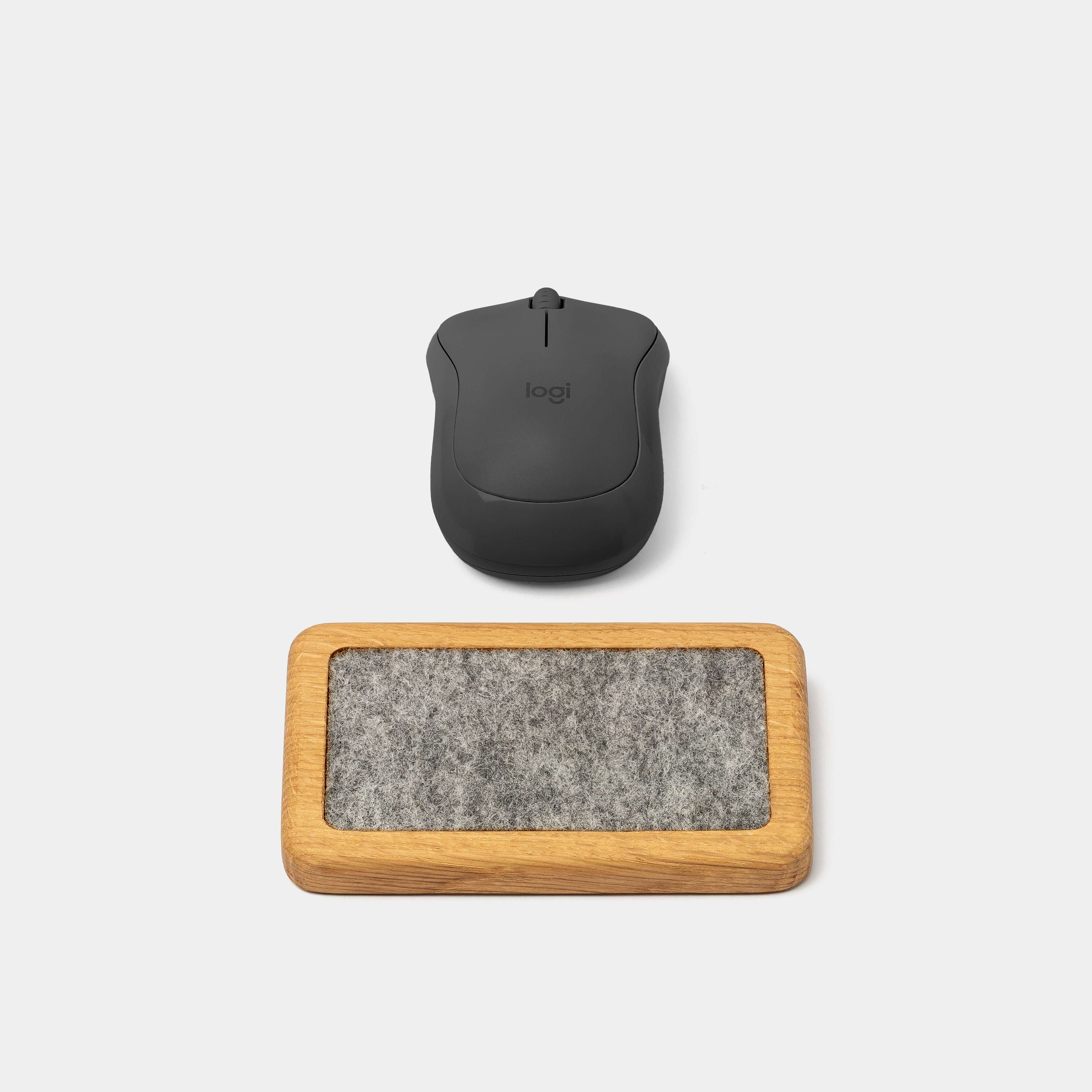
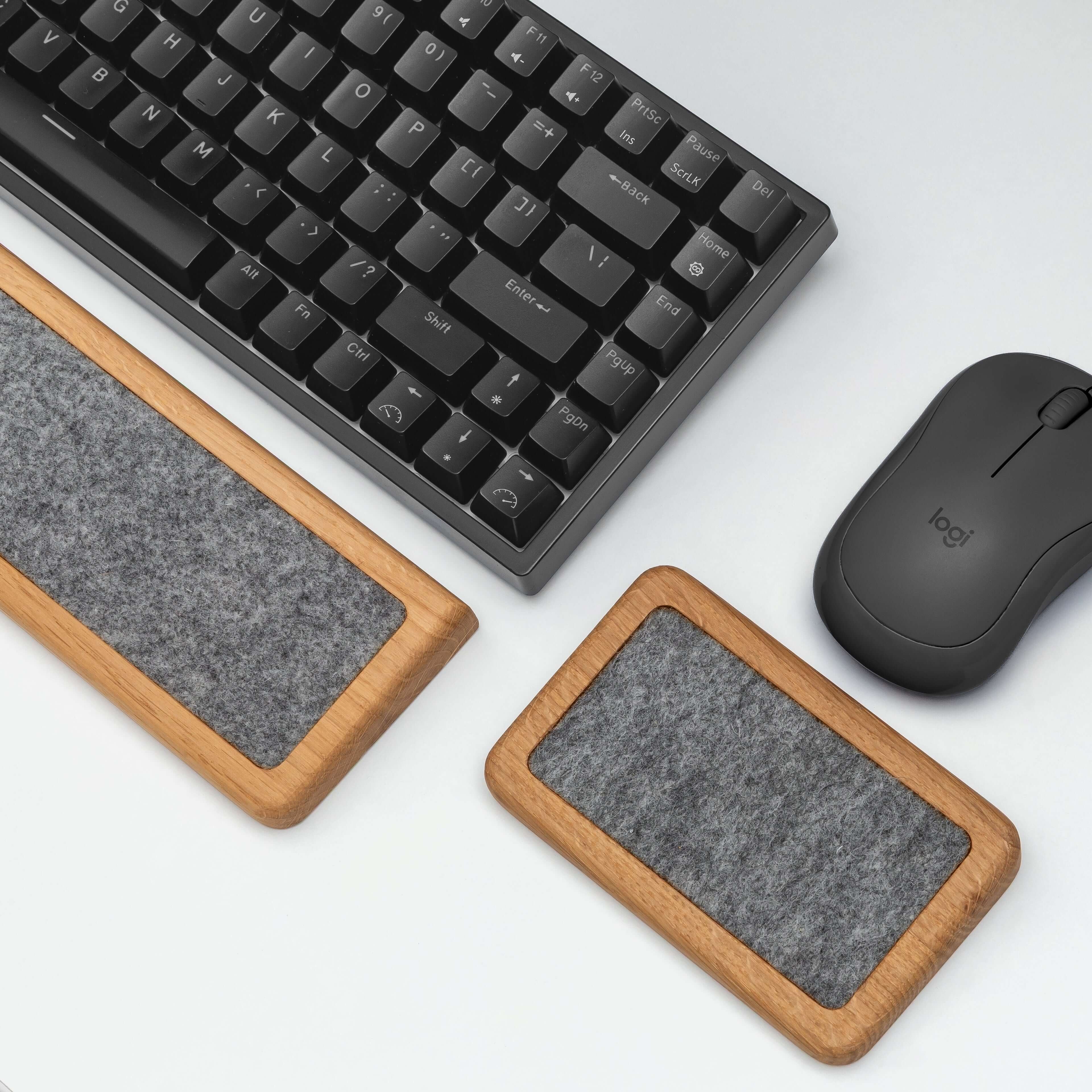
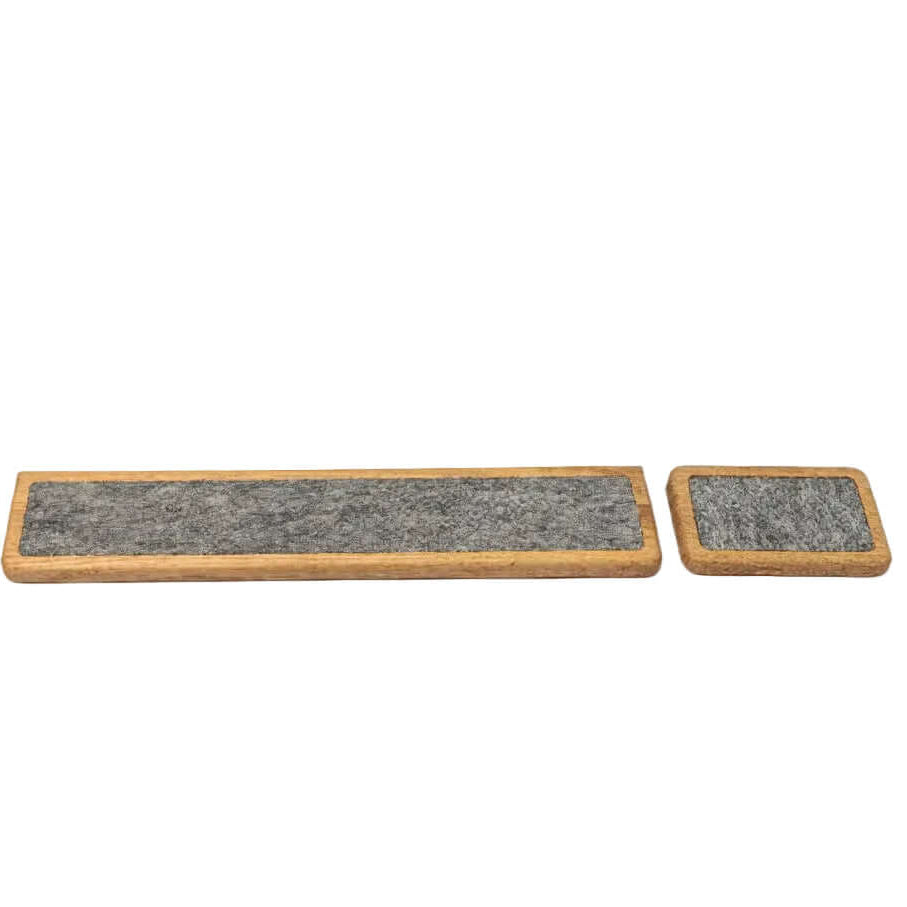
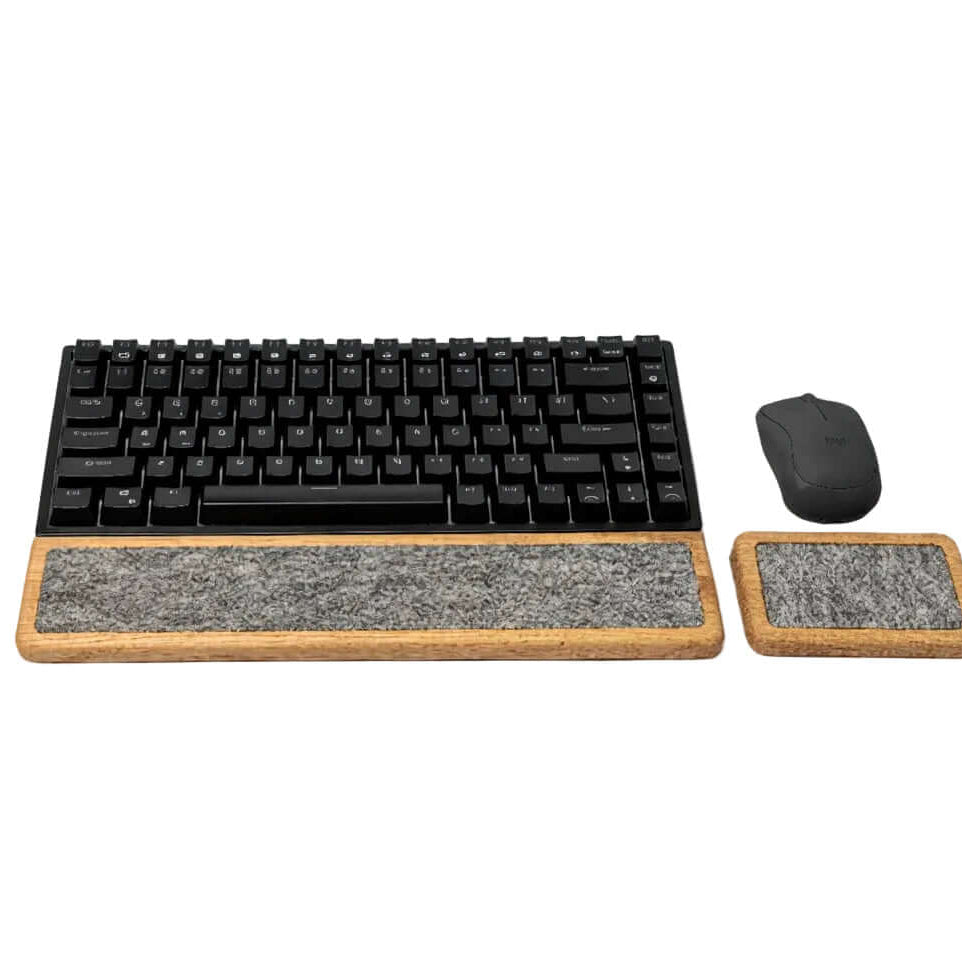
Simple additions such as keyboard and desk shelf rests provide extra support while typing and navigating throughout the day. Pair these with an adjustable chair that properly supports your back and encourages a healthy sitting position.
Recommended products
Small ergonomic improvements can make a noticeable difference to both comfort and productivity.
5. Keep Your Colour Palette Simple
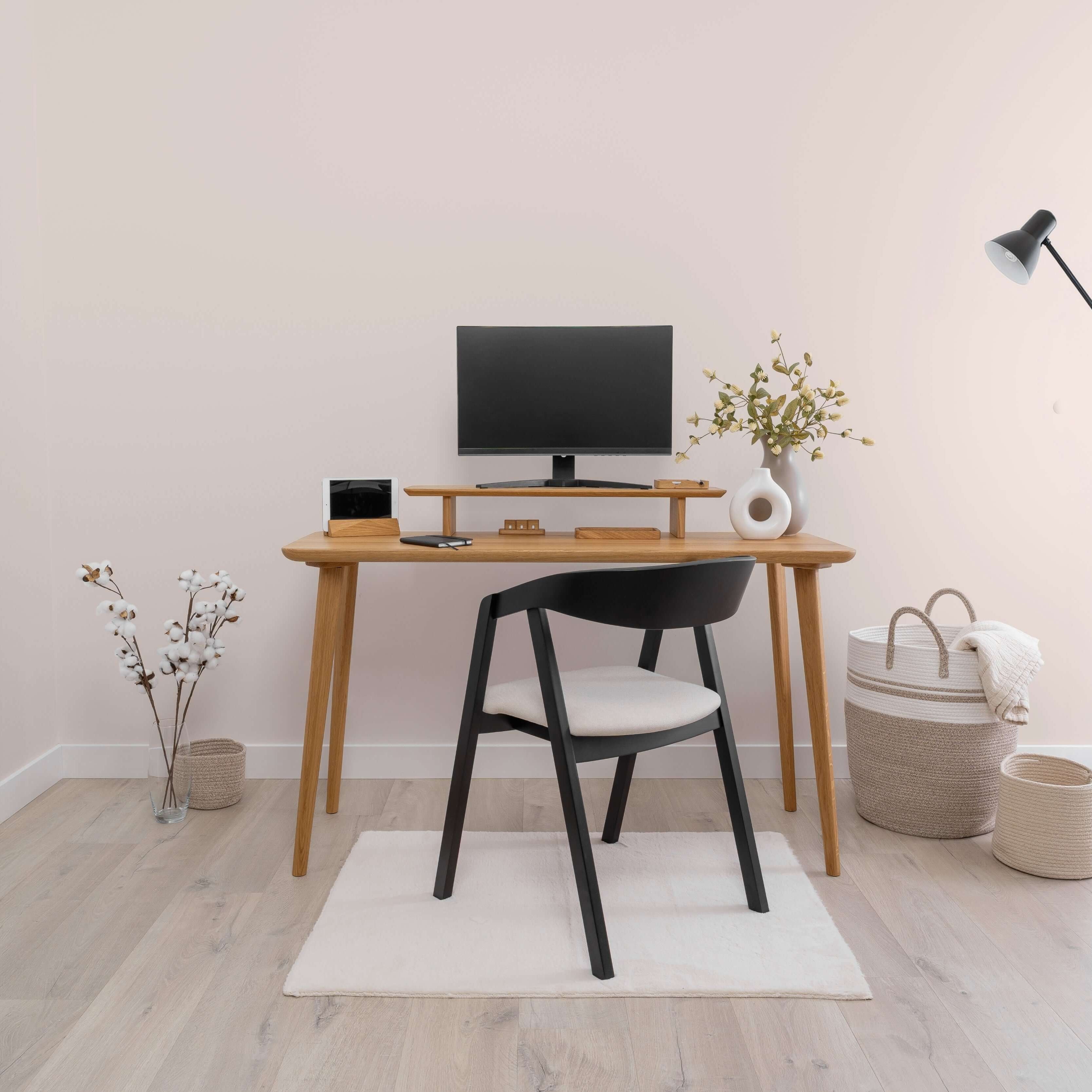
The colours in your workspace influence how the room feels. Neutral tones such as white, beige, grey, and natural wood create a calm environment that's easier to work in.
Instead of filling the space with bold colours or decorative accessories, keep the design clean and cohesive. You can always introduce subtle accents through artwork, lighting, or plants without overwhelming the room.
A consistent colour palette helps create a workspace that feels both professional and relaxing.
6. Bring Nature Indoors
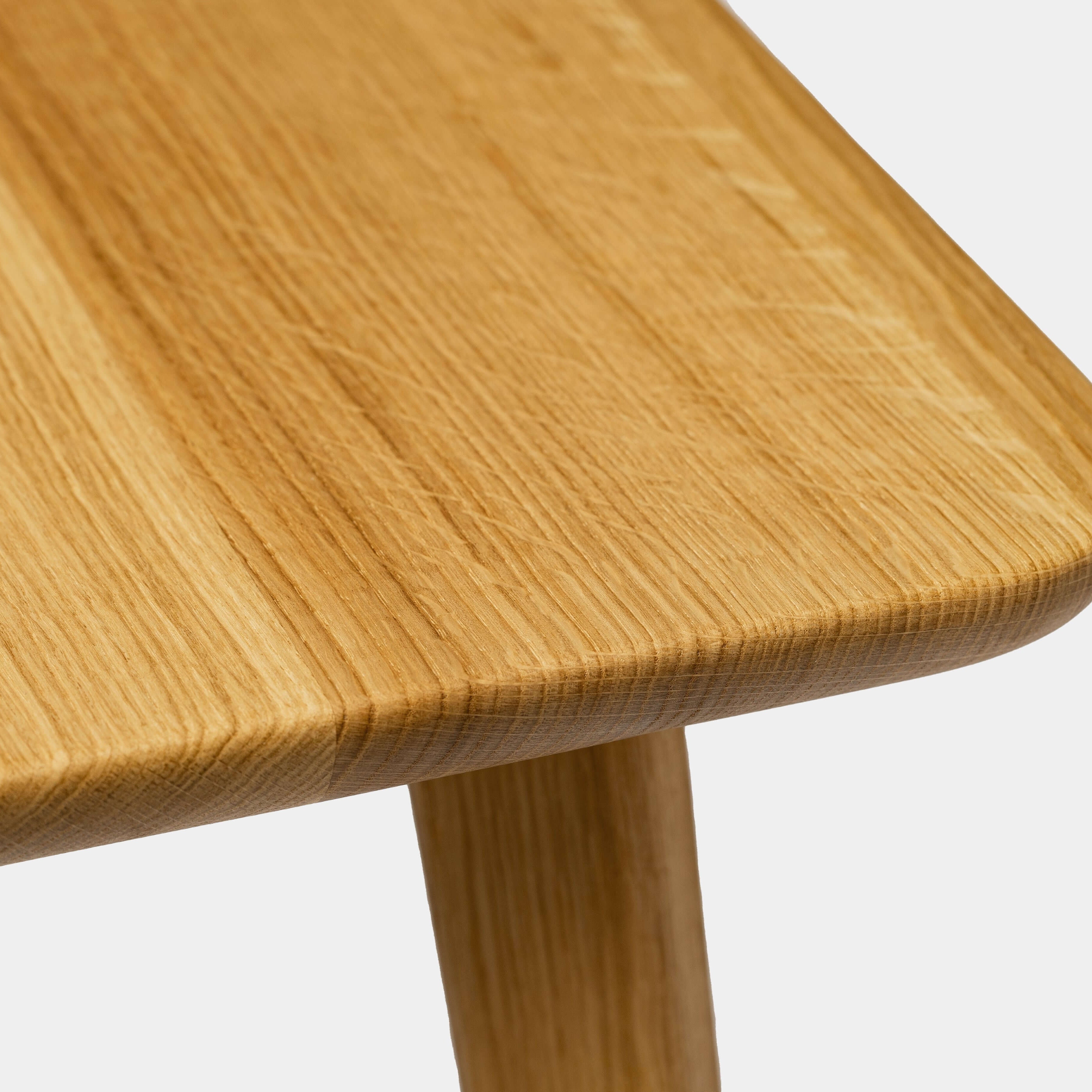
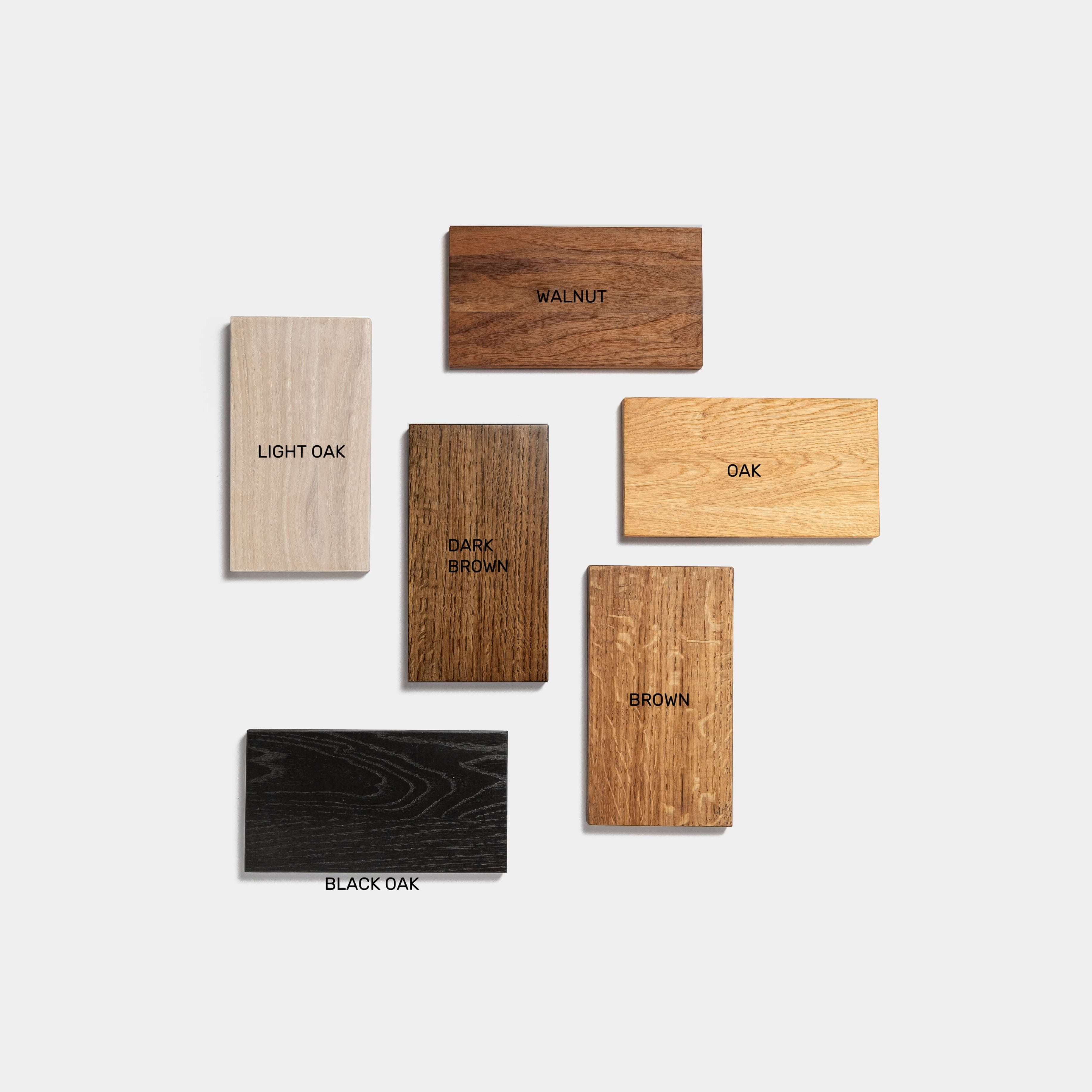
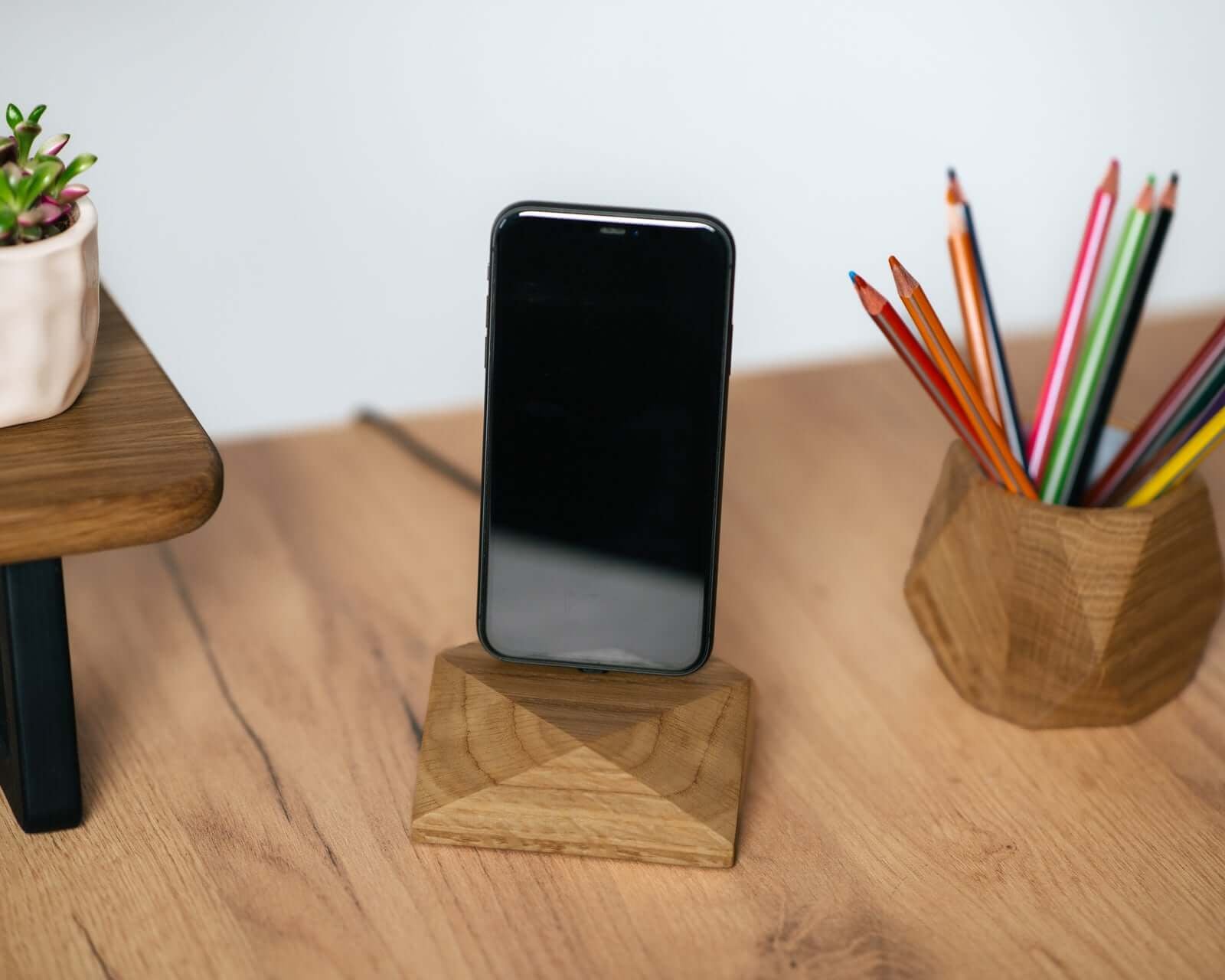
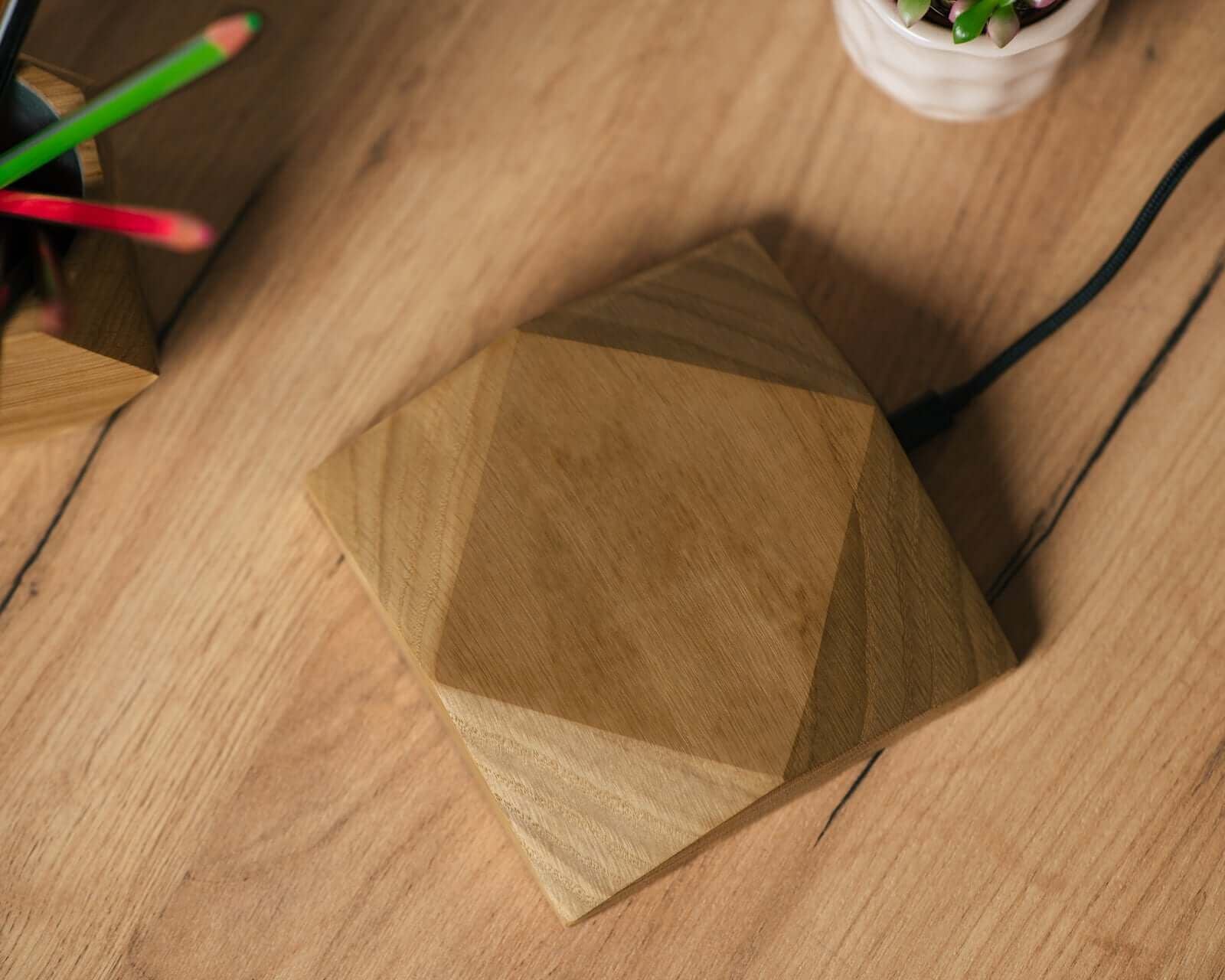
Natural materials can transform the atmosphere of a home office. Wooden accessories add warmth and character, while indoor plants introduce colour and improve the overall feeling of the space.
Low-maintenance plants such as pothos, snake plants, or succulents are ideal choices for home offices. They require little care and help create a more inviting environment.
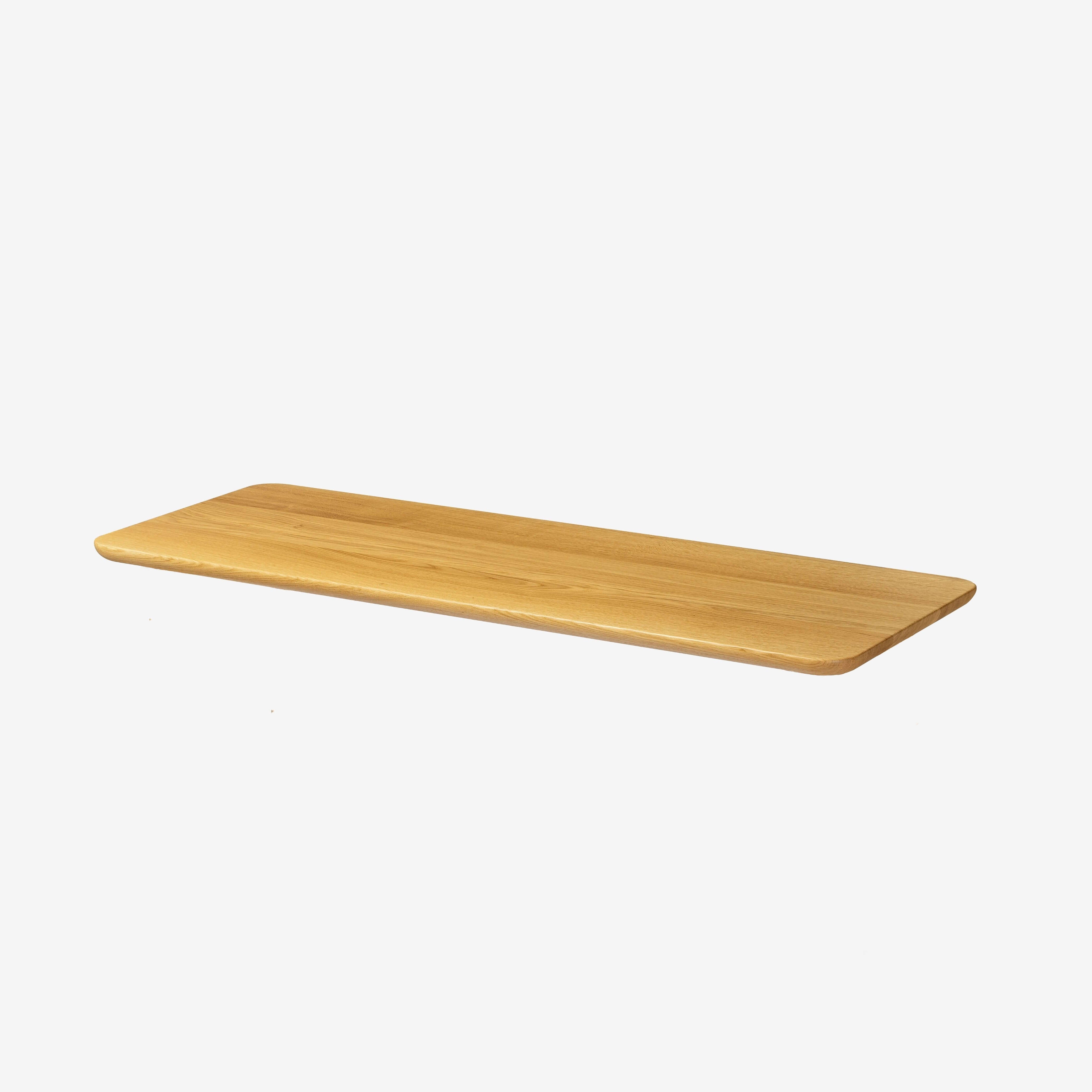
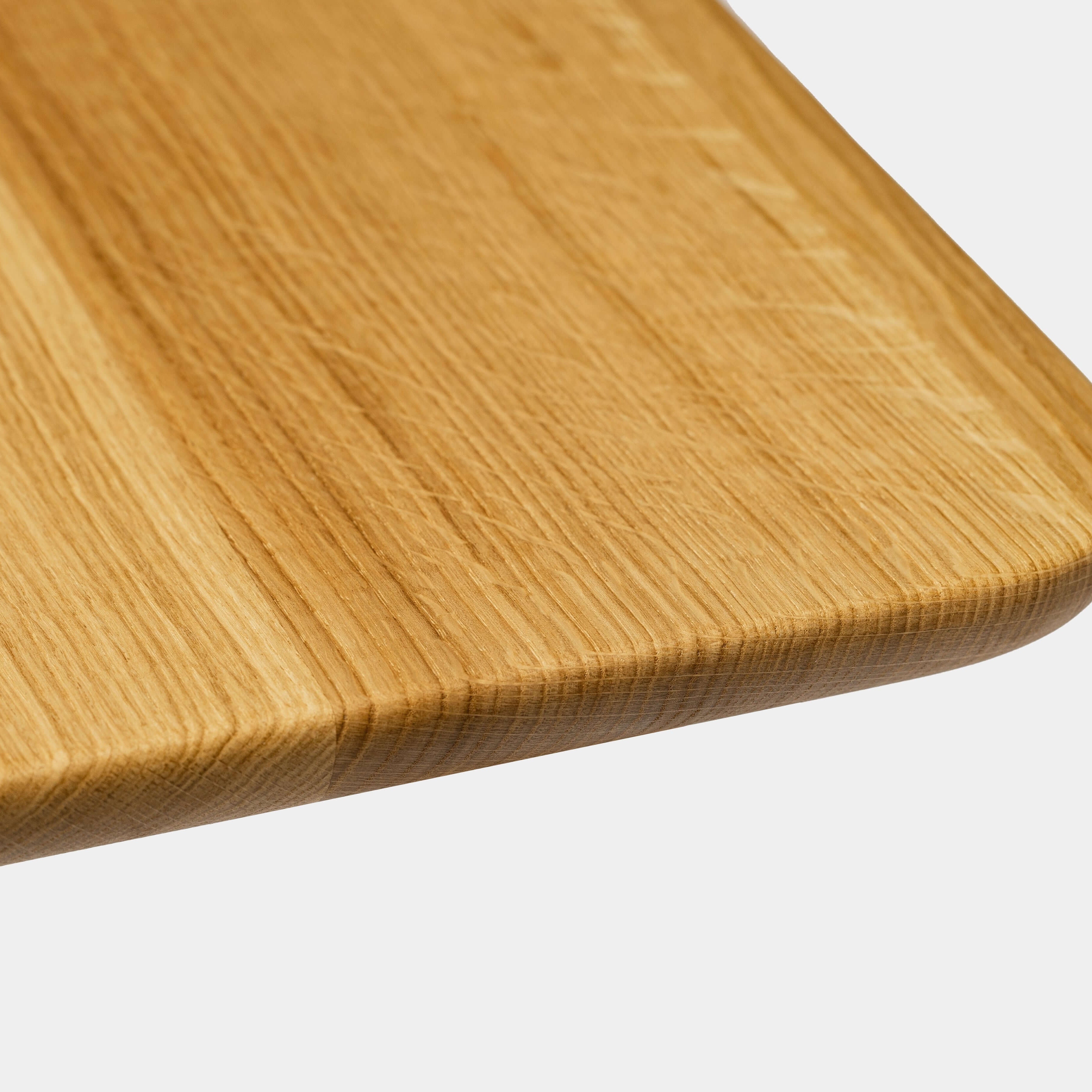
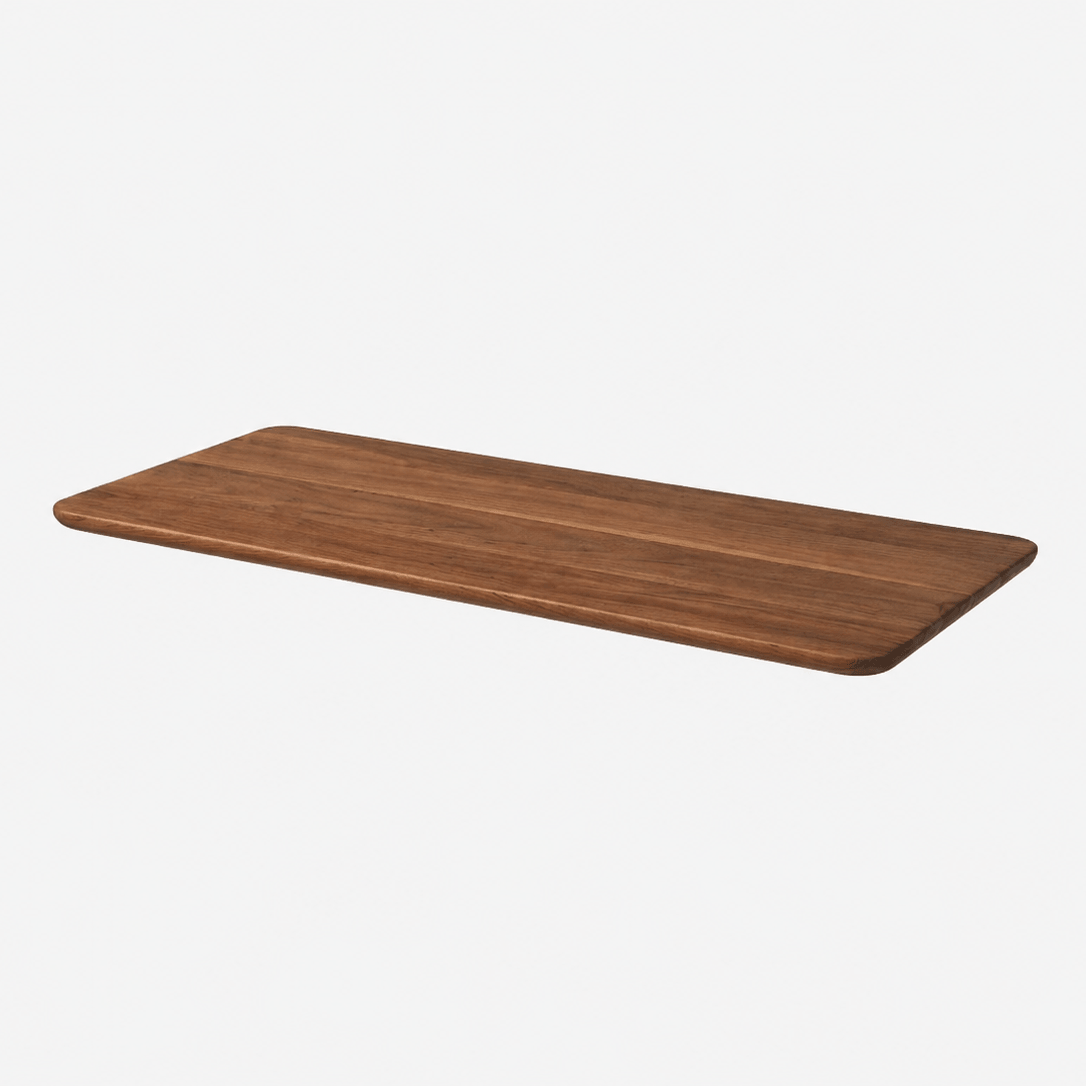
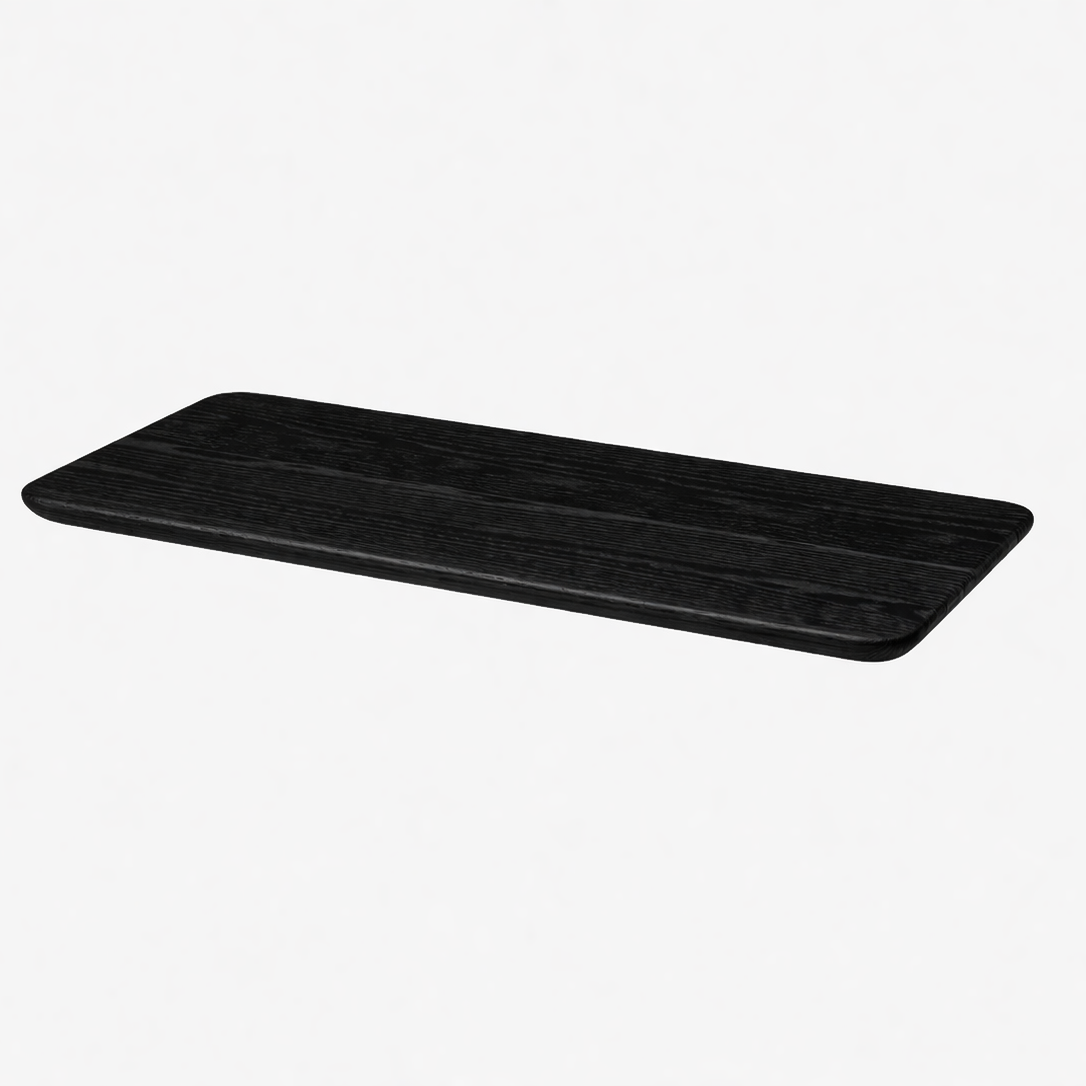
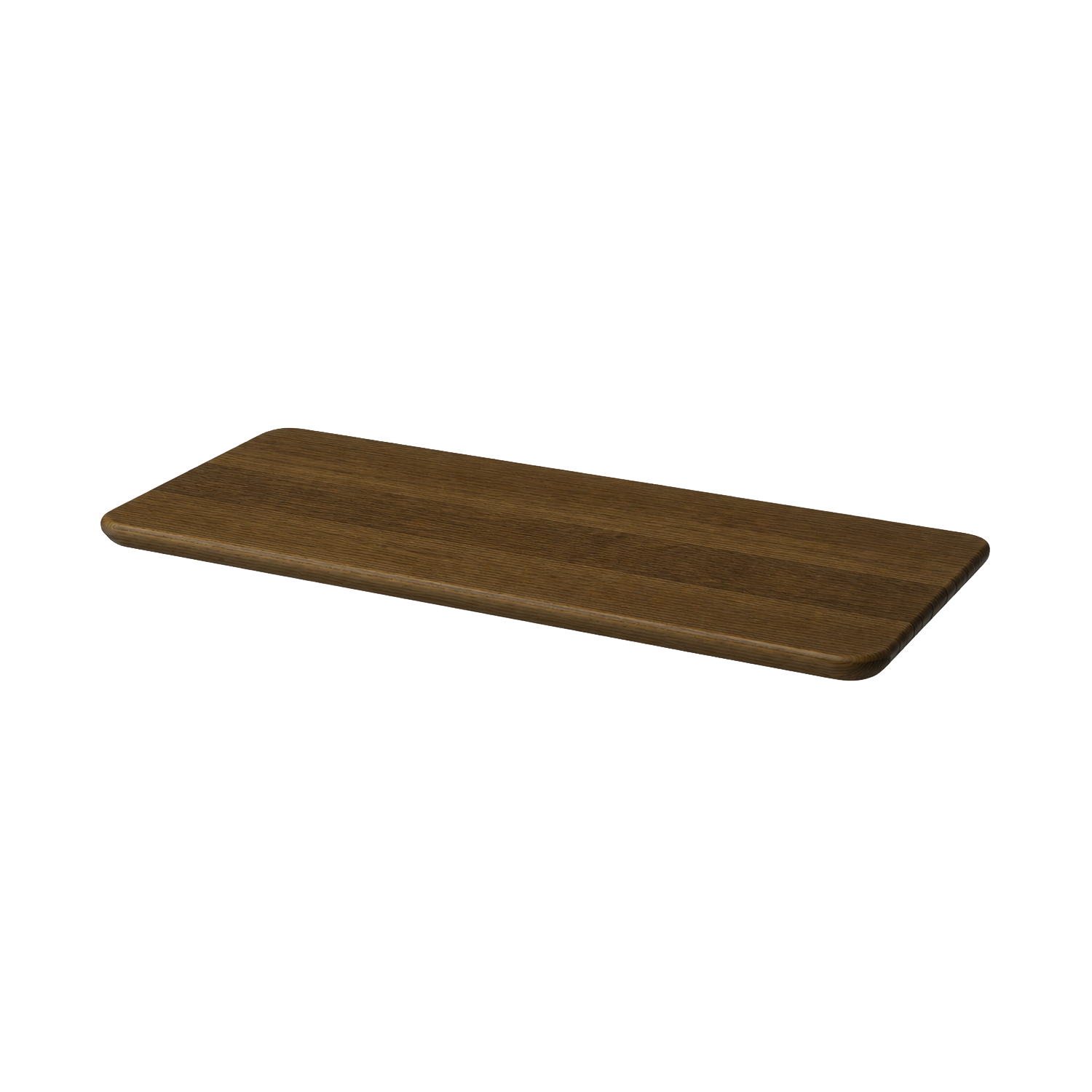
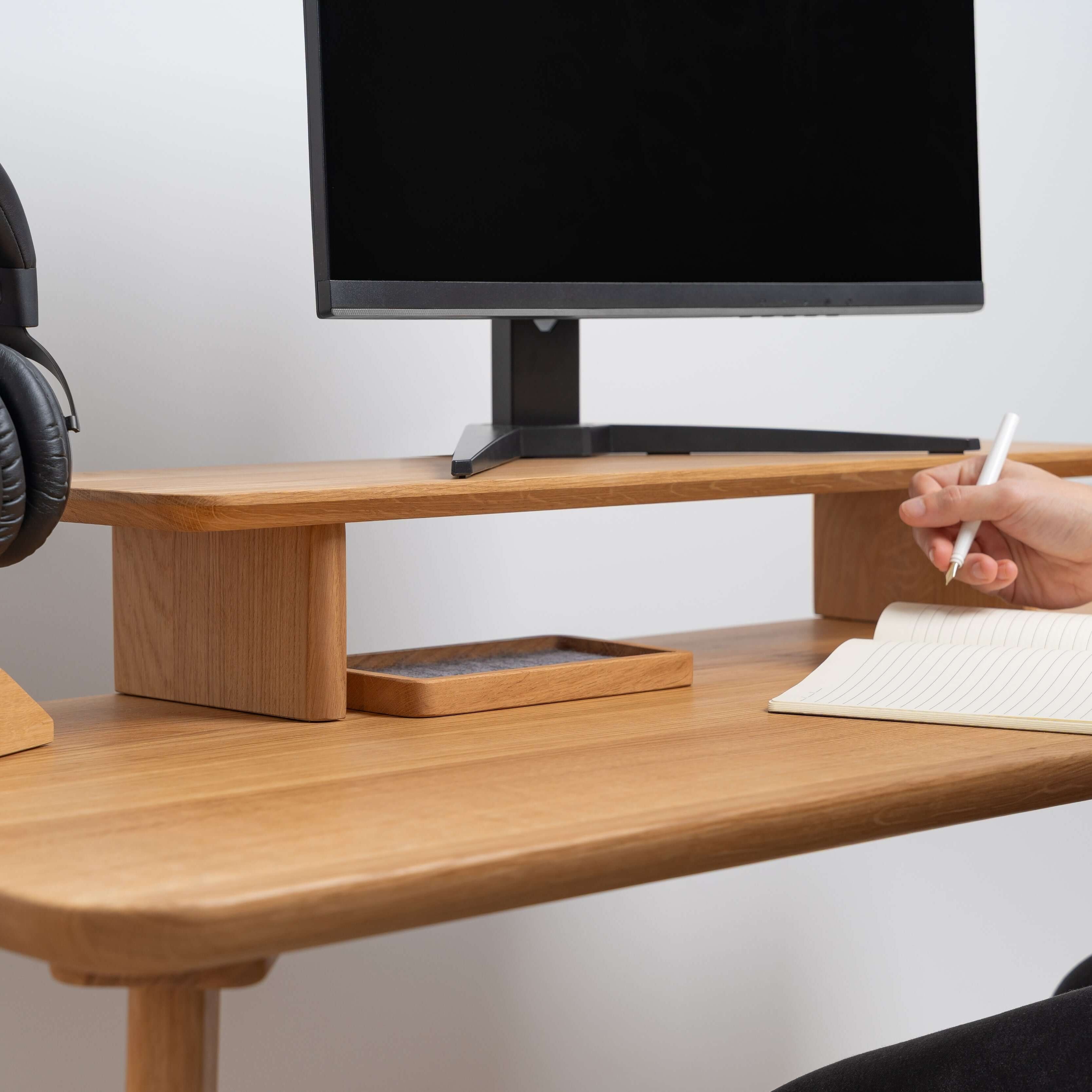
For a practical upgrade, consider our Oak Desk Shelf, which raises your monitor to a more comfortable height while adding natural texture to your desk. If you prefer a darker finish, the Black Oak Desk Shelf offers the same functionality with a modern appearance.
You can explore our full Desk Shelf collection to find the right fit for your workspace
Final Thoughts
Creating a productive home workspace doesn't require a complete office makeover. By keeping your desk organised, investing in ergonomic accessories, and choosing high-quality, natural materials, you can build a workspace that's comfortable, functional, and designed to support your daily routine.
At CHOPZWOOD, we design handcrafted desk accessories that combine practicality with timeless design, helping you create a workspace you'll enjoy using every day.
FAQs
What are the essential elements of a productive workspace?
A productive workspace typically includes a comfortable chair, a sturdy desk, good lighting, and minimal distractions. It's important to have organisational tools like shelves, filing cabinets, and technology to streamline your tasks.
How can I reduce distractions while working from home?
To minimise distractions, establish clear boundaries with family members or housemates, use noise-cancelling headphones, and consider implementing a dedicated workspace that is separate from leisure areas.
What’s the best way to organise my workspace?
Start by decluttering your desk and only keeping essential items within reach. Use storage solutions like drawers, containers, and shelves to maintain order. Regularly clean and reassess your space to keep it functional.
How important is lighting in a home workspace?
Lighting plays a crucial role in productivity. Ideally, your workspace should have ample natural light supplemented by adjustable artificial lighting to reduce eye strain and maintain focus throughout the day.
Should I personalise my workspace?
Yes, personalizing your workspace can boost your mood and motivation. Add elements that inspire you, such as artwork, plants, or personal items, while ensuring they don't become distractions.
How can I incorporate ergonomic practices into my workspace?
To promote ergonomic health, adjust your chair and desk height to maintain a neutral posture, position your monitor at eye level, and ensure your keyboard and mouse are at a comfortable distance. Consider using wrist supports as needed.
How often should I take breaks during work?
It’s advisable to take short breaks every 60-90 minutes to stay fresh and focused. Techniques such as the Pomodoro technique, where you work for 25 minutes followed by a 5-minute break, can be helpful.
What role does organisation play in maintaining productivity?
Effective organisation helps reduce stress, saves time, and increases efficiency in your work. By keeping your workspace and digital files orderly, you can quickly find what you need and focus on the tasks at hand.